


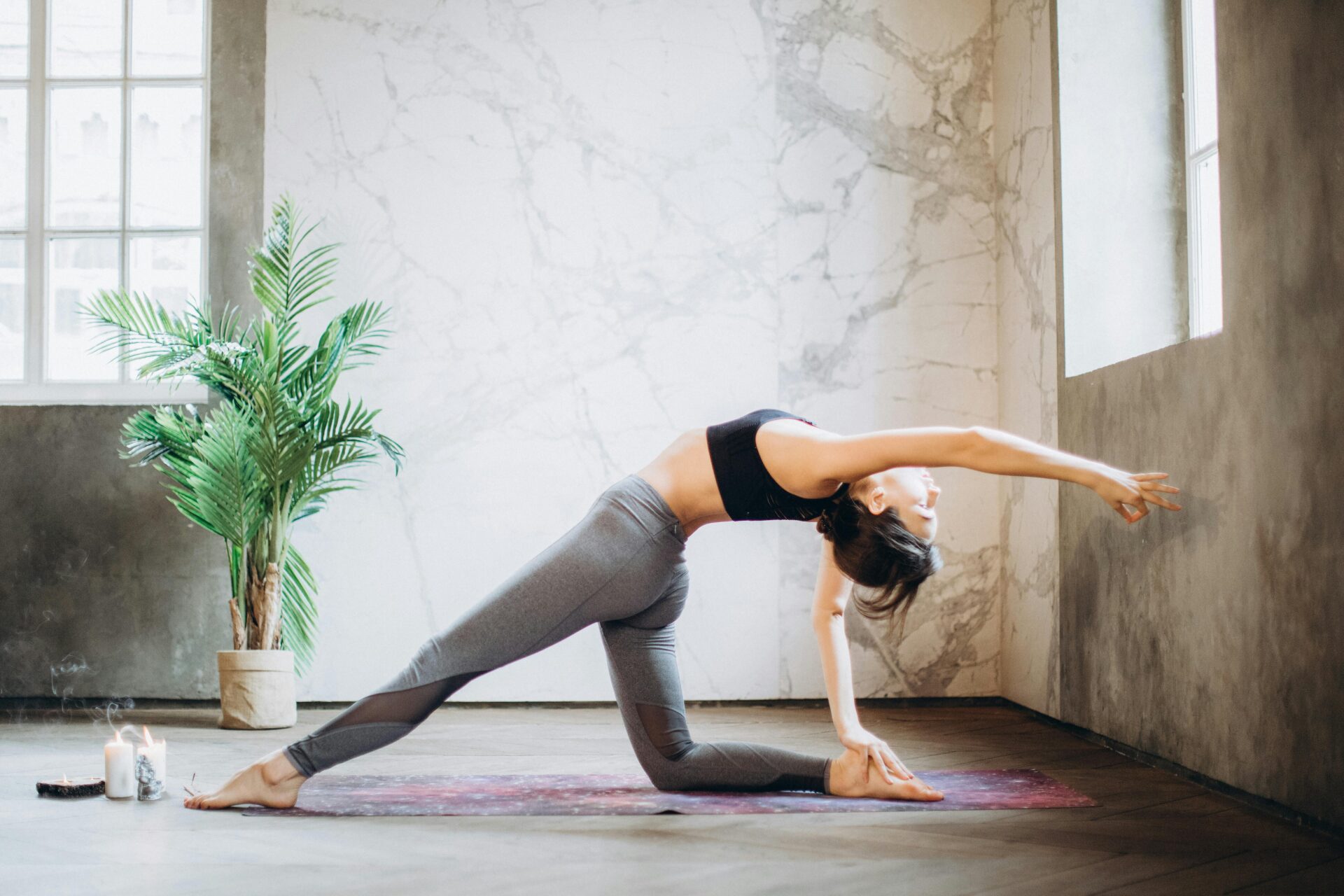

Balance is a crucial component of physical fitness that often gets overlooked in favor of strength training or cardiovascular workouts. However, incorporating balance exercises into your fitness routine not only enhances stability but also improves coordination, posture, and overall athletic performance. Whether you’re a beginner or a seasoned fitness enthusiast, integrating these exercises can significantly benefit your health and well-being.
Why Focus on Balance?
Balance exercises target the body’s stabilizing muscles, which include the core, legs, and glutes. These muscles work together to keep you steady and upright, whether you’re standing, walking, or engaging in more dynamic movements. By training these muscles, you can reduce the risk of falls and injuries, improve joint stability, and enhance overall functional fitness.
Types of Balance Exercises
- Static Balance Exercises:
- Single Leg Balance: Stand on one leg for 30-60 seconds, gradually increasing the duration as you build strength and stability.
- Tree Pose (Yoga): Lift one foot and place it on the opposite inner thigh while balancing on the standing leg, arms extended overhead.
- Tightrope Walk: Imaginary tightrope walking by placing one foot in front of the other in a straight line, arms extended for balance.
- Dynamic Balance Exercises:
- Lunges with Balance: Perform forward, backward, or lateral lunges while maintaining balance on each leg.
- Single Leg Deadlifts: Hinge forward at the hips while lifting one leg behind you, reaching towards the ground with opposite arm.
- Standing Knee Raises: Lift one knee towards the chest while balancing on the opposite leg, alternating sides.
- Proprioceptive Exercises:
- BOSU Ball Exercises: Stand on a BOSU ball (half-sphere stability trainer) with one or both feet to challenge stability.
- Balance Board or Wobble Board: Stand on a balance board or wobble board while maintaining equilibrium, adjusting body position to stay centered.
- Foam Pad Exercises: Stand on a foam pad or balance cushion to create an unstable surface, engaging core and leg muscles to maintain balance.
Incorporating Balance Exercises into Your Routine
- Warm-Up: Begin your workout with a few minutes of dynamic stretches to prepare muscles for balance exercises.
- Frequency: Aim to incorporate balance exercises into your routine at least 2-3 times per week.
- Progression: Start with easier exercises and progress to more challenging variations as your balance improves.
- Integration: Incorporate balance exercises into existing workouts, such as adding lunges with balance to leg day or practicing yoga poses like tree pose after a strength training session.
Benefits of Balance Training
- Enhanced Stability: Improved ability to maintain posture and stability during daily activities and sports.
- Injury Prevention: Strengthening stabilizing muscles reduces the risk of falls and injuries, especially as you age.
- Core Strength: Balance exercises engage the core muscles, promoting a strong and stable midsection.
- Athletic Performance: Better balance translates to improved performance in sports that require agility, coordination, and quick changes in direction.
Conclusion
Incorporating balance exercises into your fitness routine offers numerous benefits beyond traditional strength and cardio workouts. By dedicating time to improve balance, you enhance overall stability, reduce injury risk, and elevate your fitness level. Whether you’re focusing on static poses, dynamic movements, or using specialized equipment, regular practice will yield significant improvements in your physical capabilities and quality of life. Embrace balance training as a fundamental aspect of your fitness journey and enjoy the rewards of a more stable and resilient body.